Water Portraits of Queens: A Community Ecology Archive is an ongoing body of work developed around Newtown Creek, exploring how a single urban waterway can become an active collaborator in artistic practice. Supported by the NYFA Queens Arts Fund, the project brings together multilingual calligraphy, participatory ritual, textiles, and water-responsive material studies to build a community ecology archive shaped by both human and more-than-human authorship.
Rather than representing the creek as a subject, I work with its water directly. Collected samples stain, erode, oxidize, freeze, thaw, and move through fabric by capillary action, allowing the creek’s chemistry, movement, and changing conditions to participate in the making of each work. Over time, the project has shifted from using water to alter my marks toward designing conditions in which water itself can generate the mark.
The work grows through repeated encounters with Newtown Creek and communities in Queens, creating an archive that connects language, ecological change, material transformation, and collective ritual.
Urban Water Awareness Day, 2026
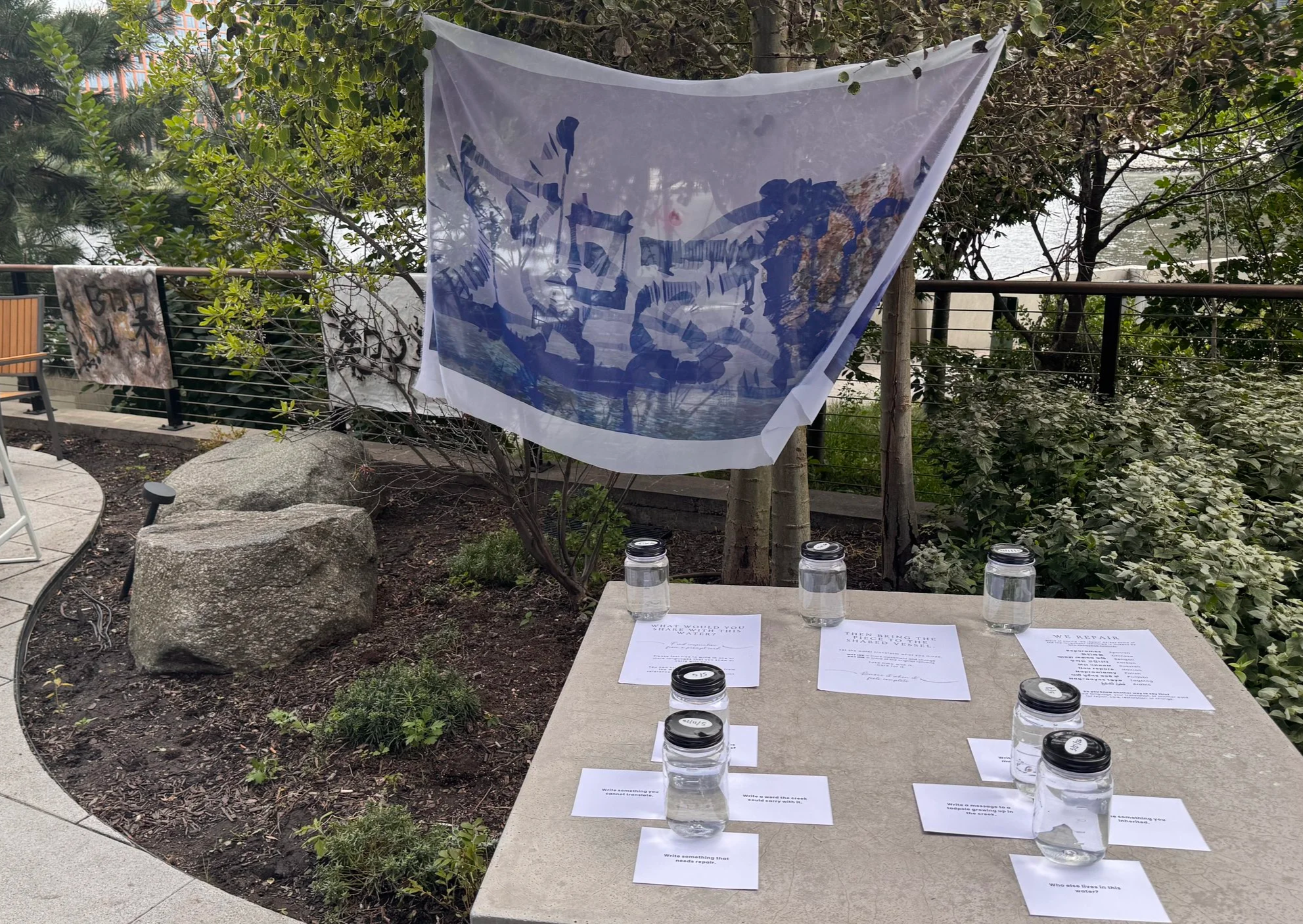
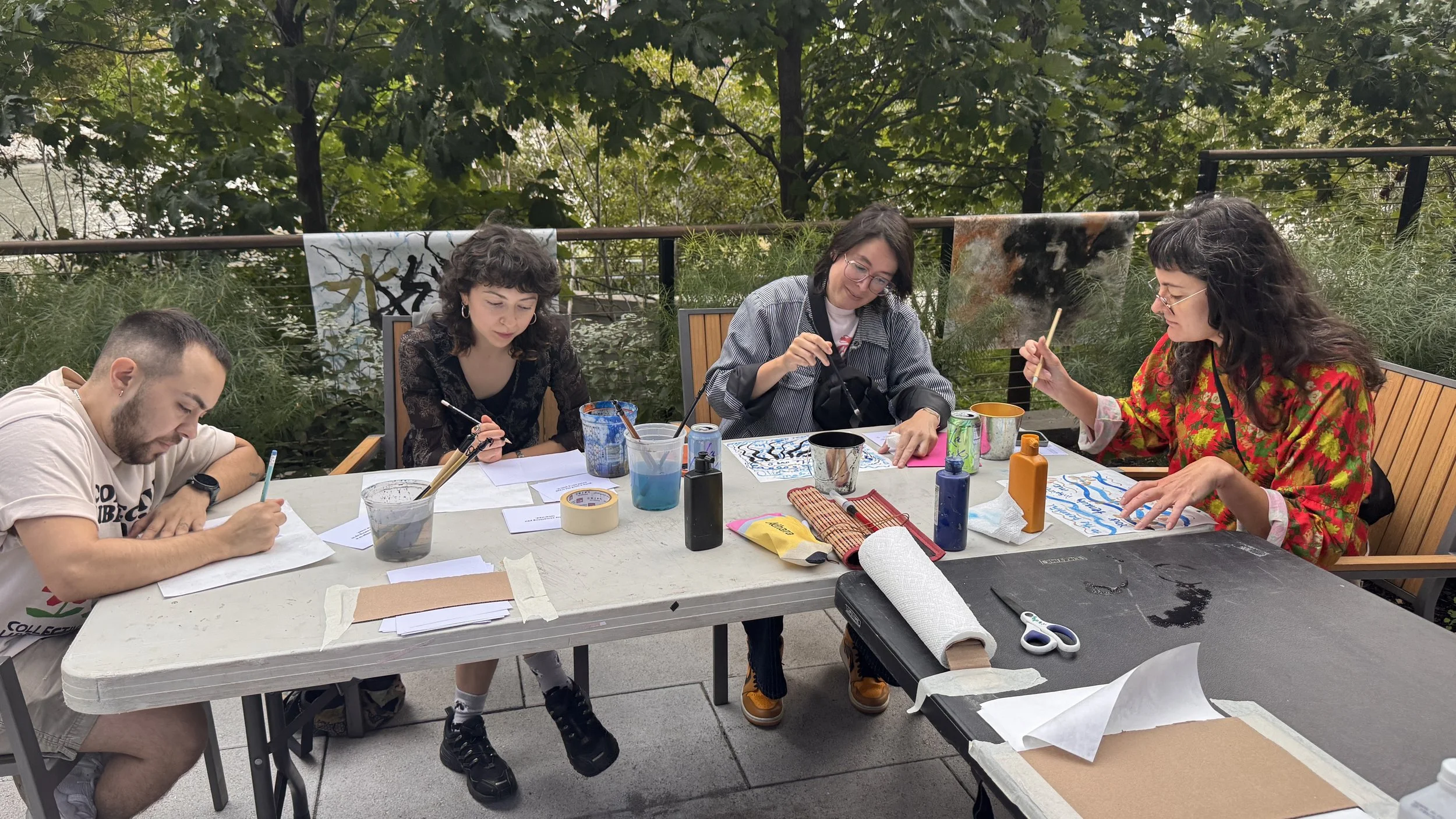
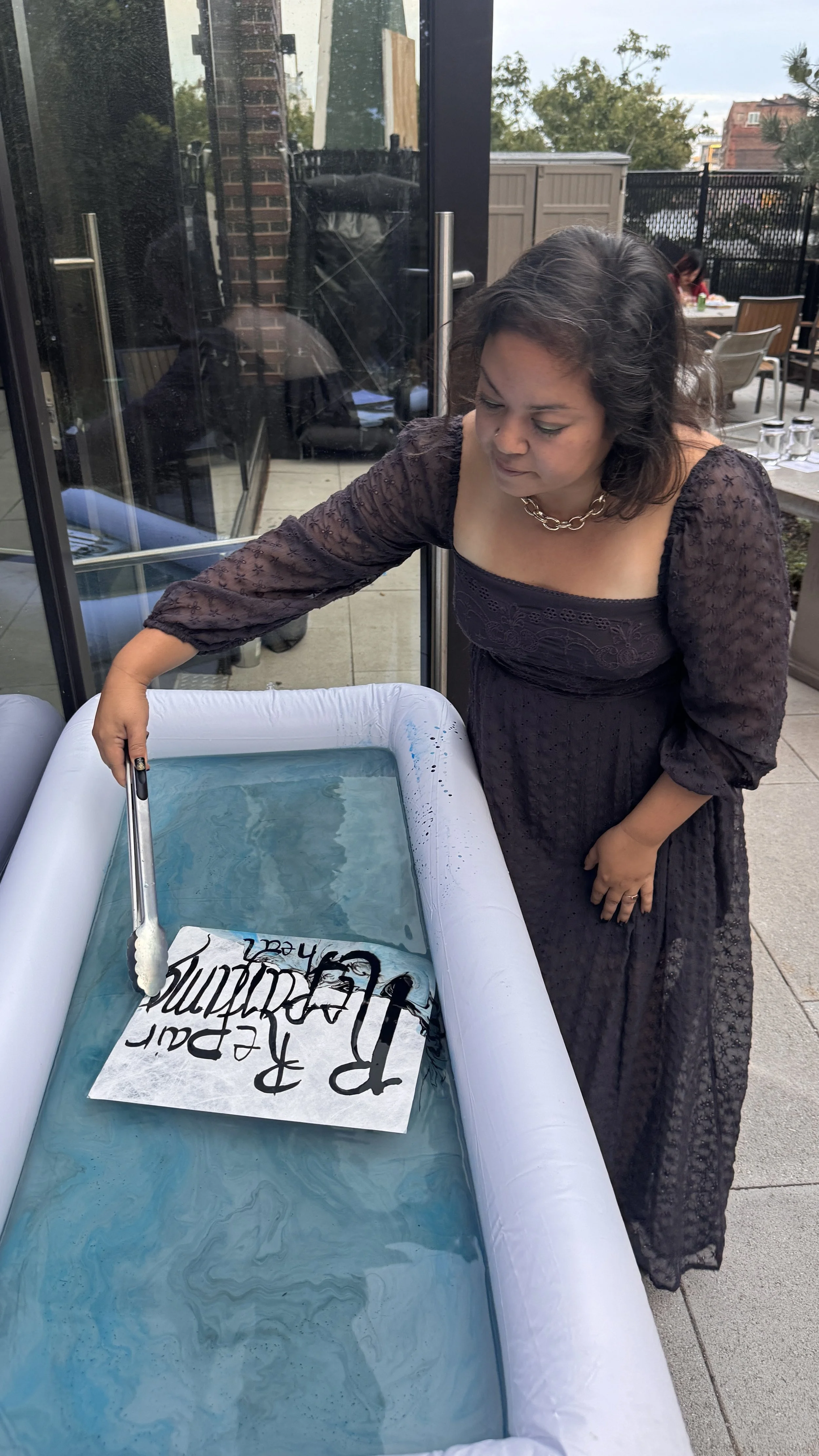
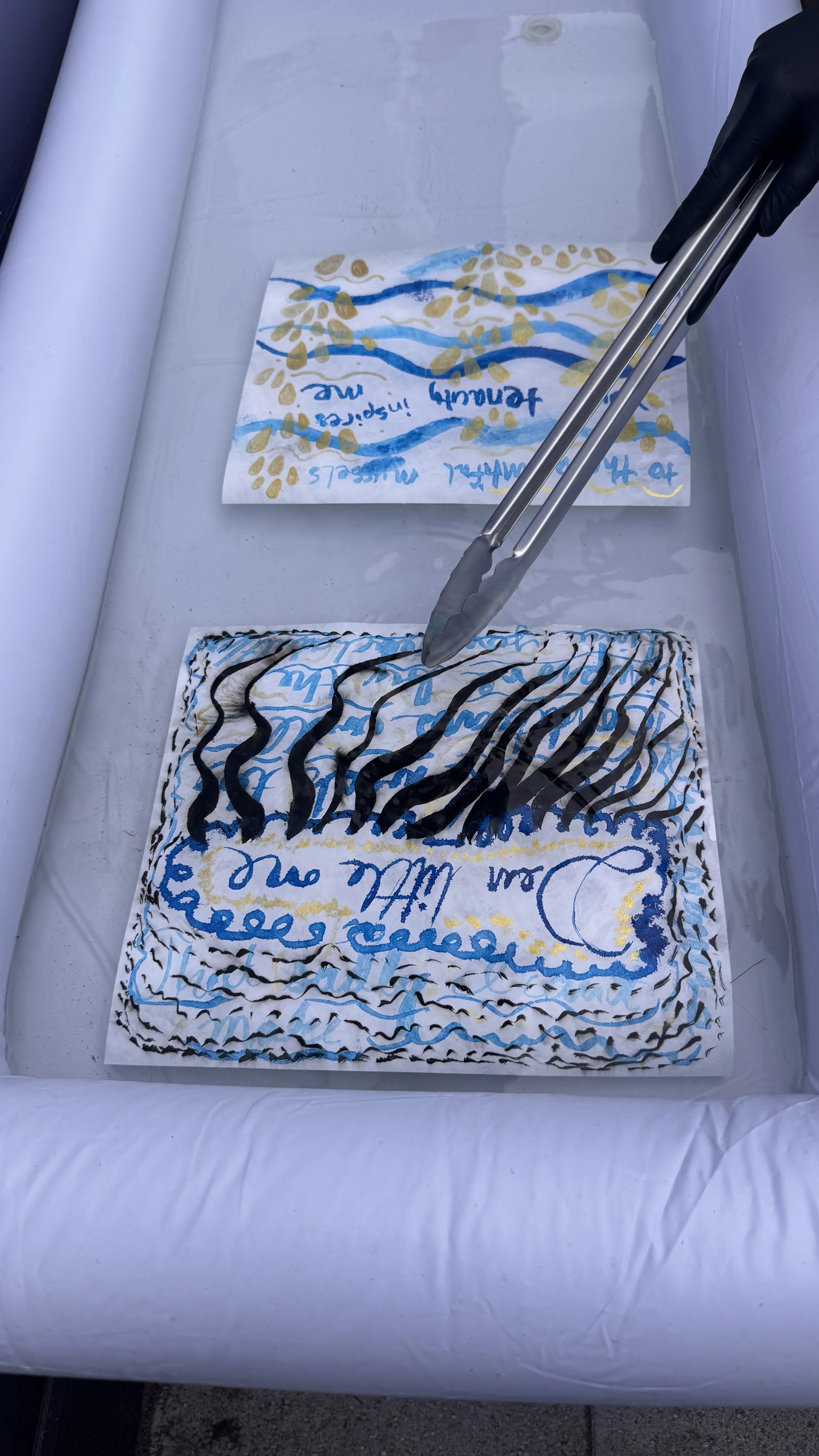
Invited to be a part of Urban Water Awareness Day: Hidden Systems, Shared Futures, the program brings together artists, architects, urbanists, environmental advocates, and community organizations, to examine water as a civic, social, and cultural framework, not merely a technical system. I developed a participatory workshop and collective ritual where participants are invited to write a word, memory, story, symbol, or message to the water, then choose how that mark enters into relationship with Newtown Creek water.
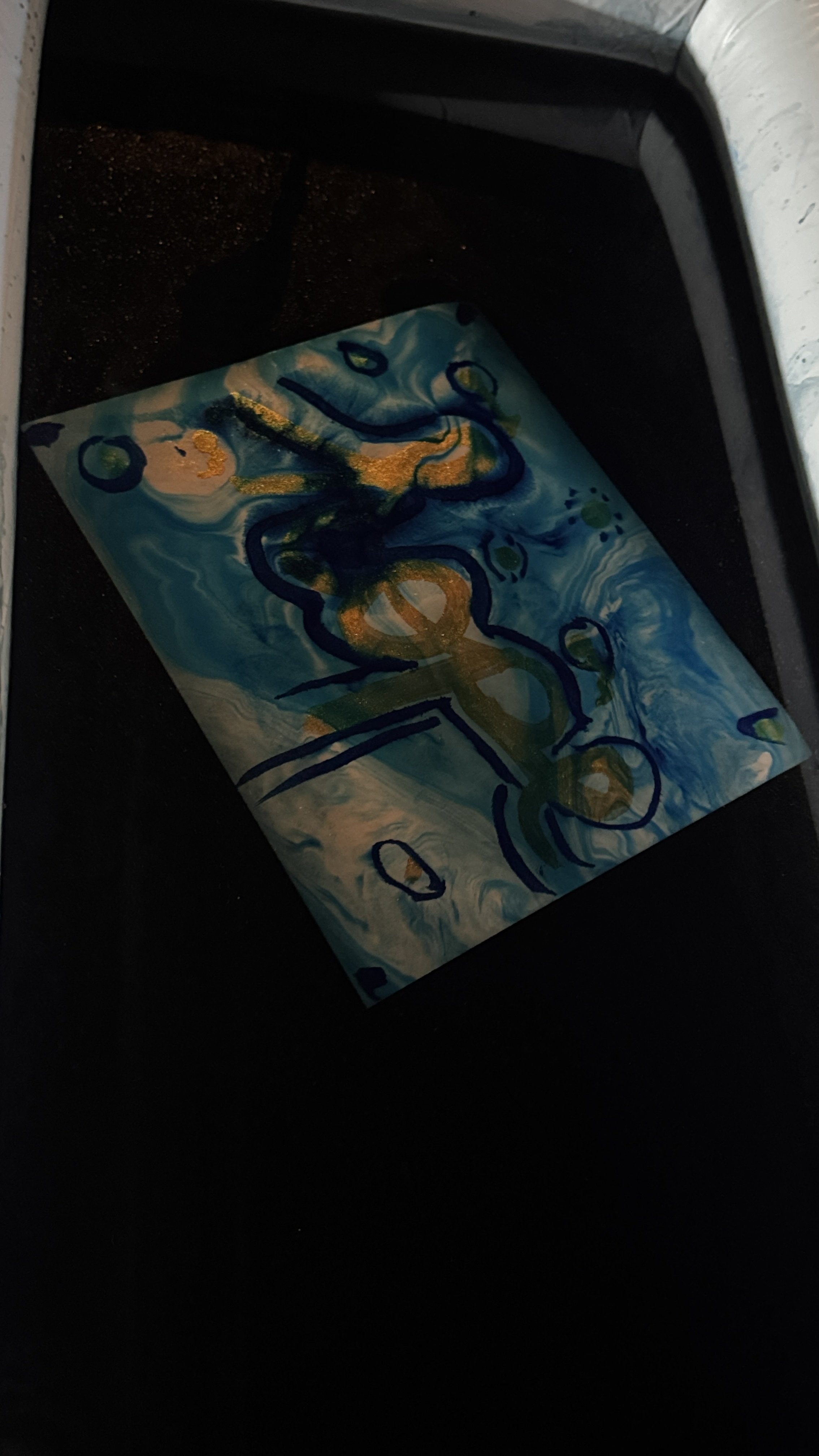
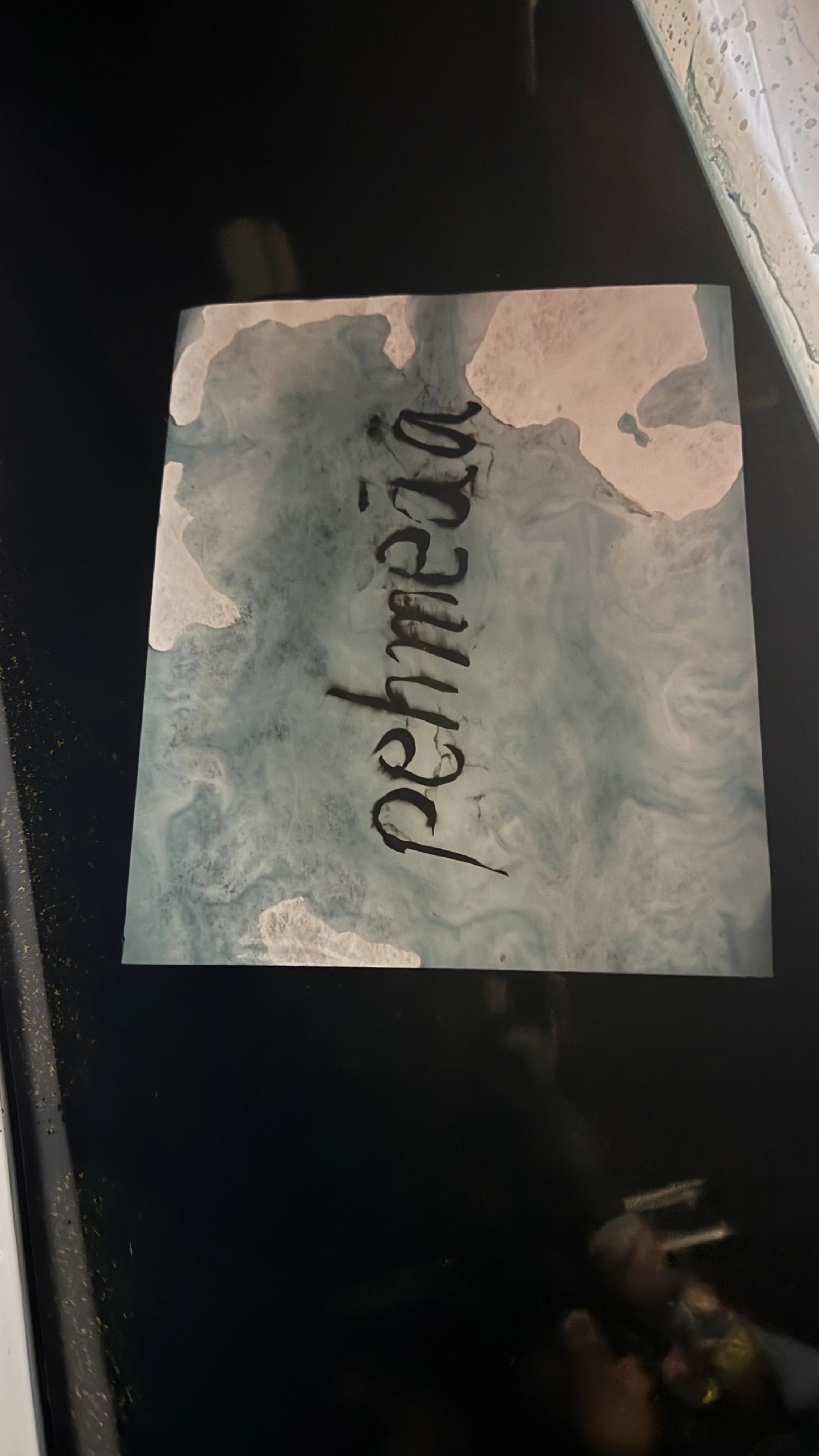
The workshop is structured around storytelling and release. A mark can be submerged and allowed to disperse, partially immersed so that language remains visible while changing, or placed near the water and altered more slowly through proximity, waiting, and time. Rather than treating participation as simply contributing content, the ritual asks participants to share authorship with the water and to consider what it means to relinquish control over a mark once it has been made.
The resulting textiles become collective water portraits, shaped by language, creek water, material, and duration. Through this process, Shared Ground explores how ecological care can take the form of listening, offering, transformation, and sustained attention to a specific body of water.
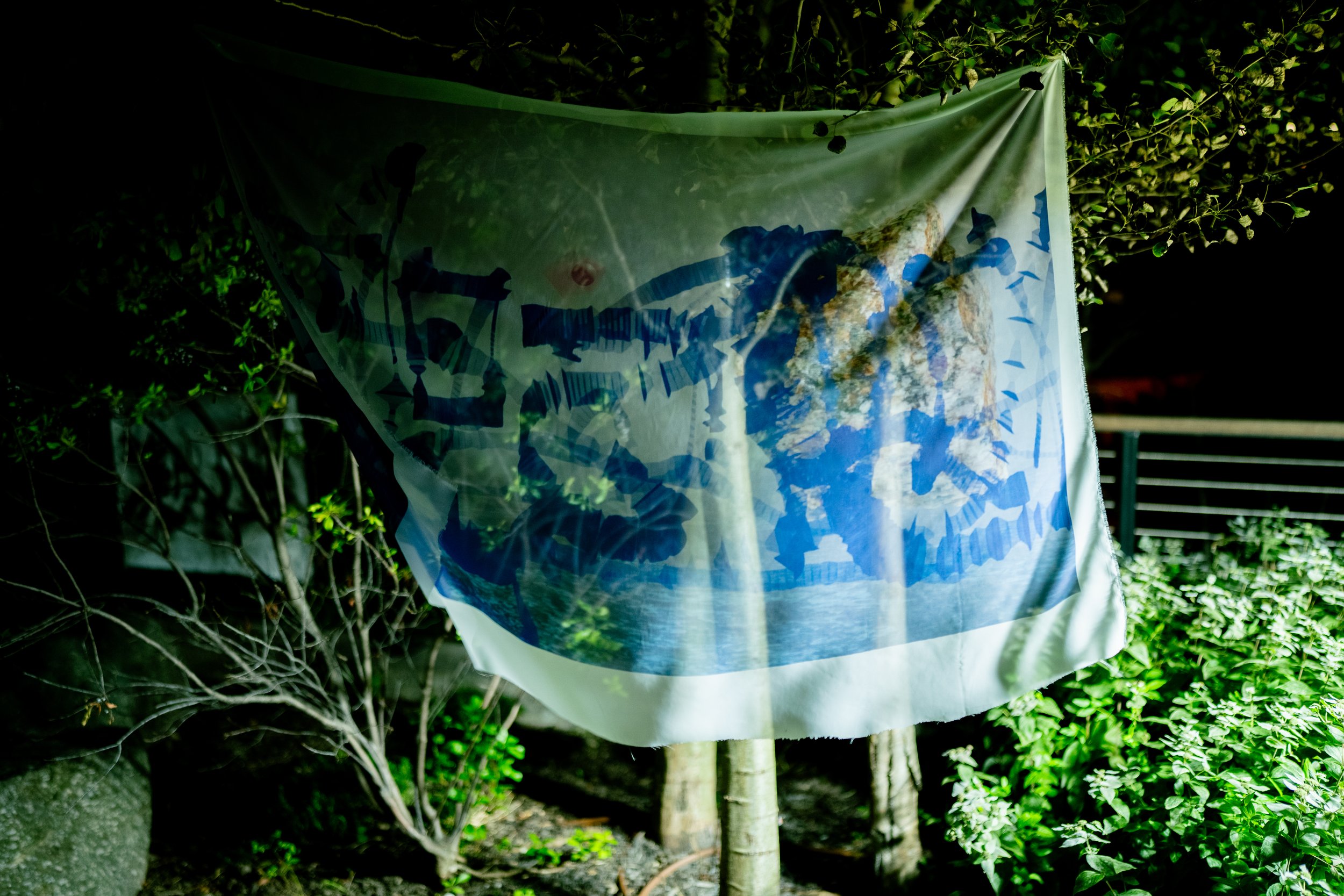
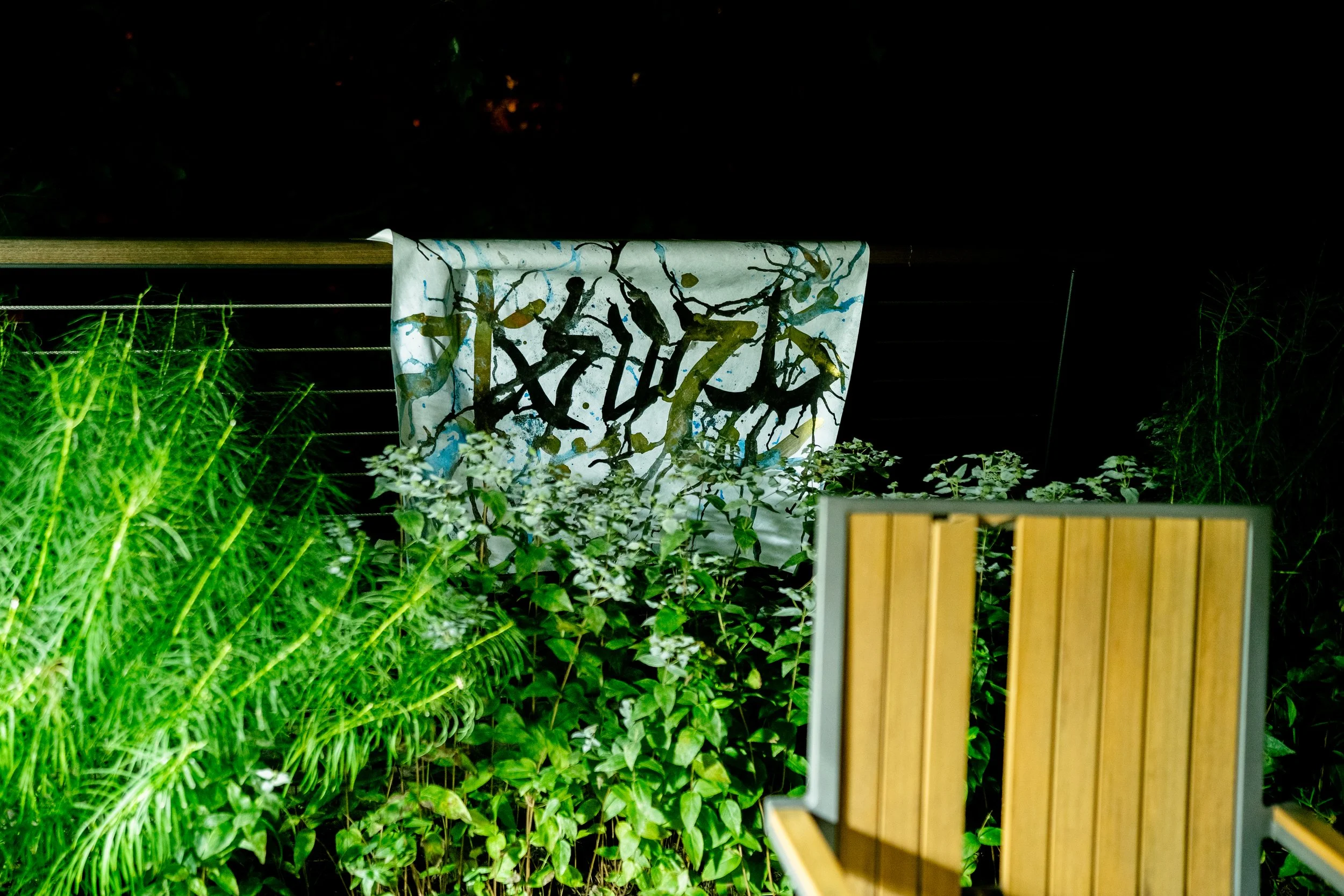
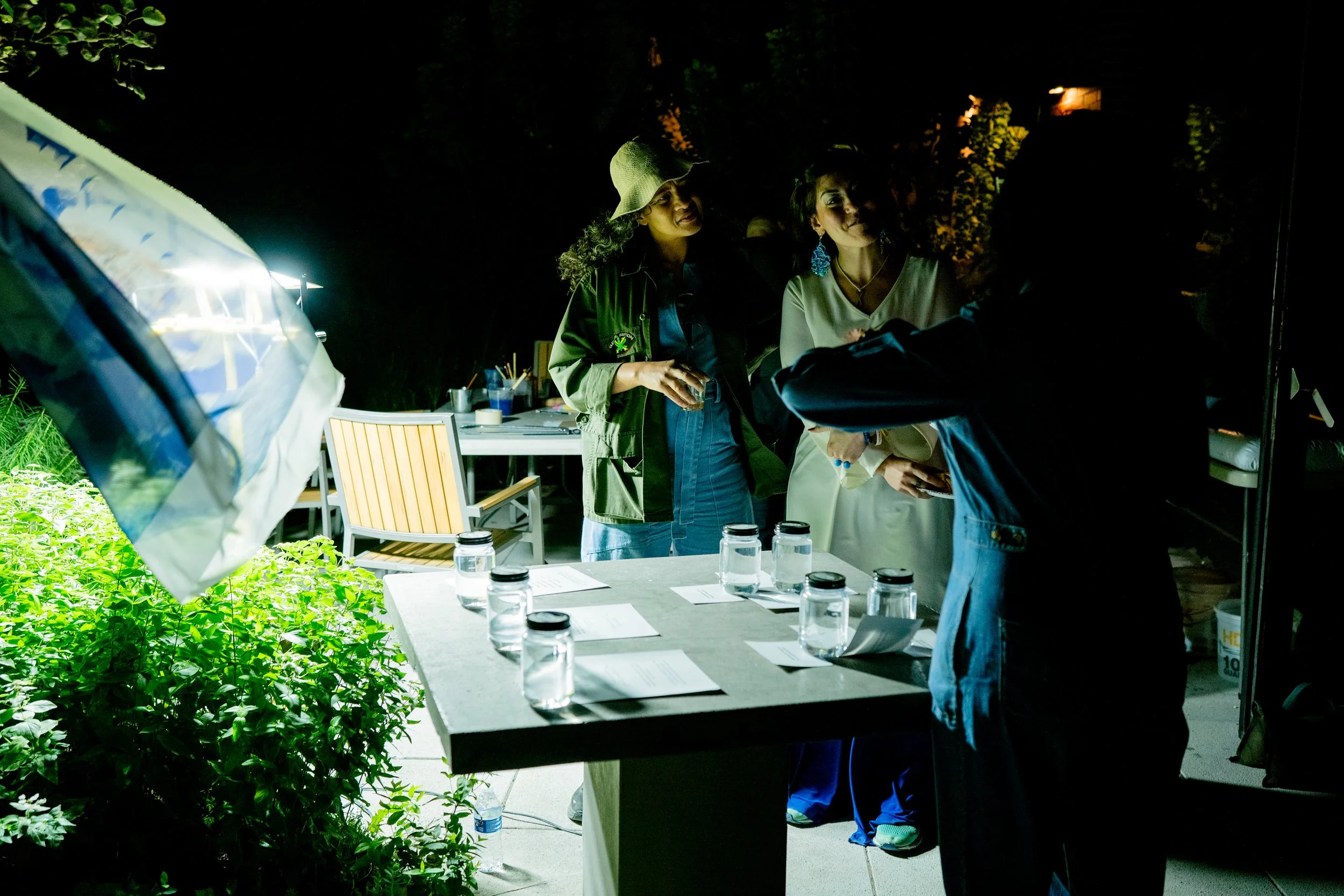
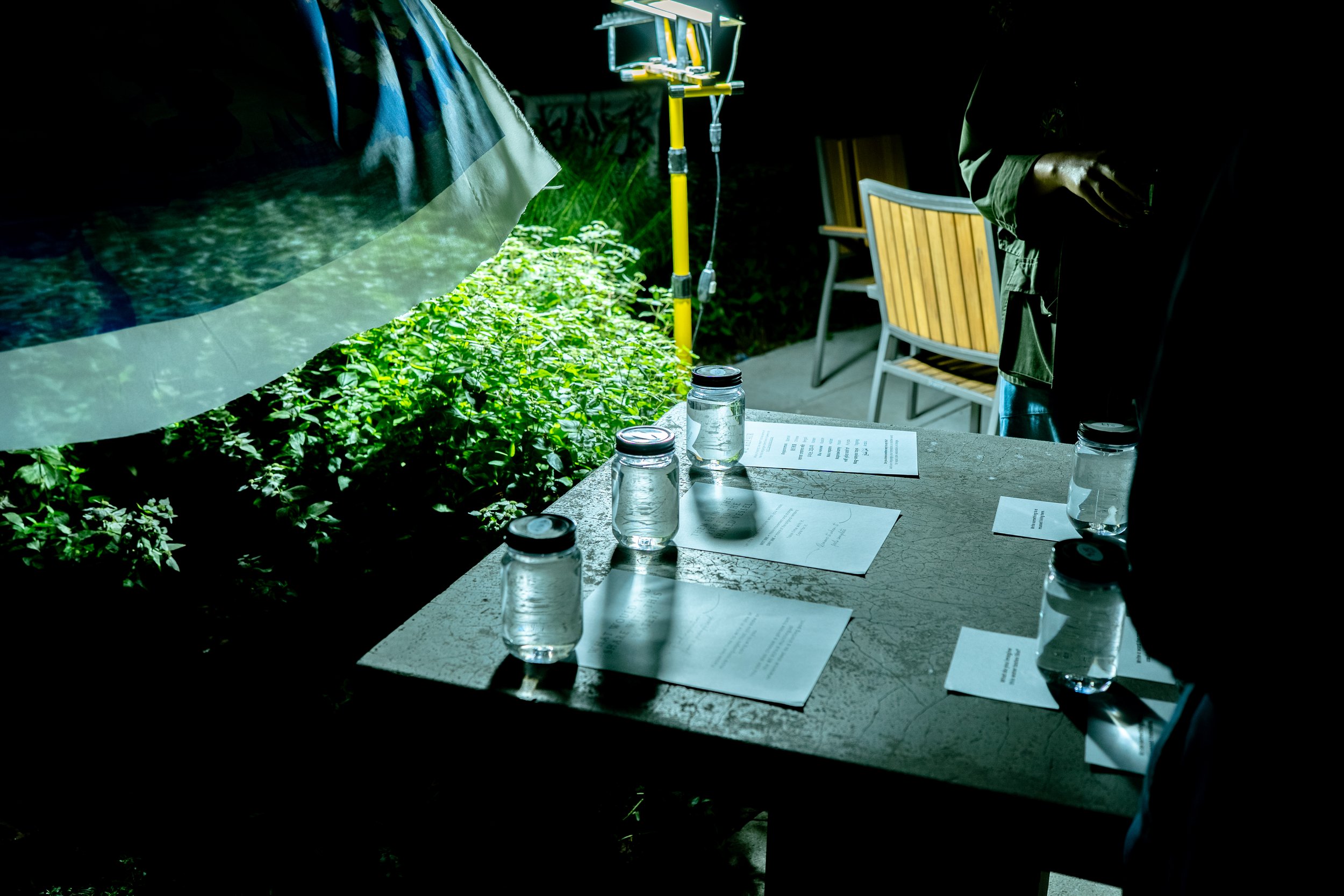
Night photos by Owise Abuzaid and Hany Osman. Courtesy of Polish Cultural Institute New York and Finnish Cultural Institute in New York